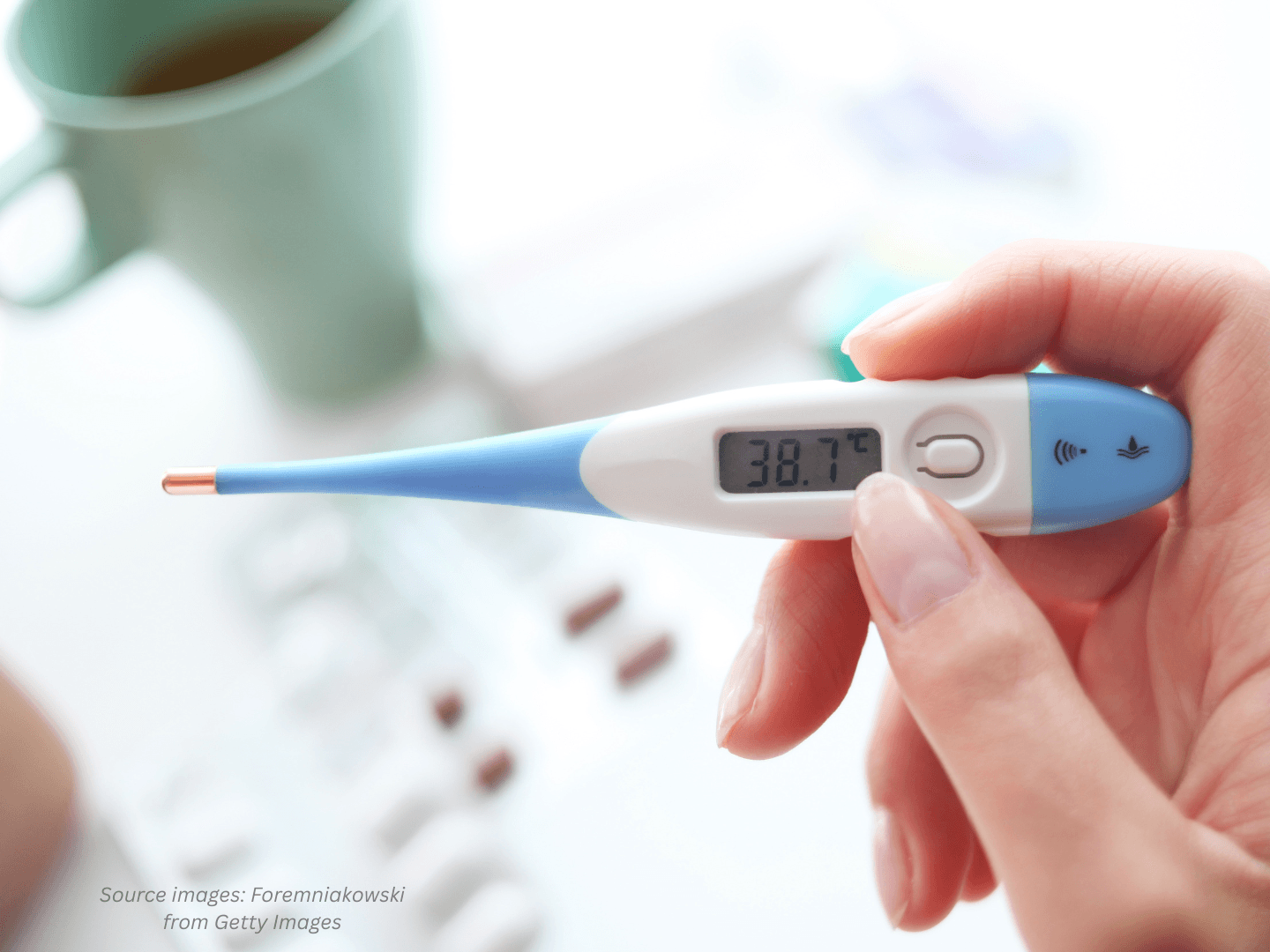
High Fever in Bali? When Should You See a Doctor?
A high fever can quickly turn an enjoyable holiday into a stressful experience. Whether you're staying in a hotel, villa, or exploring Bali, it's not always easy to know if your fever is something you can monitor or if it's time to seek medical attention.
Most fevers are caused by the body's natural response to an infection and often improve with rest and supportive care. However, some fevers may be a sign of a more serious condition that requires prompt medical evaluation.
If you've recently developed a fever, you may also find our guide on 5 Common Fever Mistakes You Should Avoid helpful, which explains simple mistakes that can delay recovery.
What Is Considered a High Fever?
A normal body temperature varies from person to person, but it is generally around 37°C (98.6°F). A fever is typically defined as a body temperature of 38°C (100.4°F) or higher. While the temperature itself is important, doctors also consider how long the fever lasts, your other symptoms, and your overall condition when deciding whether further evaluation is needed.
According to the Mayo Clinic, fever is usually a sign that your immune system is responding to an infection rather than a disease on its own.
When Should You See a Doctor for a High Fever?
Not every fever requires immediate medical treatment, but you should seek medical advice if:
- Your fever remains high or lasts for more than two to three days.
- Your symptoms continue to get worse instead of improving.
- You have difficulty breathing or persistent chest pain.
- You are unable to drink enough fluids or show signs of dehydration.
- You experience confusion, severe drowsiness, or difficulty waking up.
- Your fever is accompanied by a severe headache, stiff neck, persistent vomiting, or a widespread rash.
These symptoms may indicate that your illness requires medical assessment rather than home care alone.
Why Travelers in Bali Should Be More Cautious
While many cases of fever are caused by common viral infections, travelers in Bali may also develop fever due to illnesses that are more common in tropical regions, including dengue fever, gastrointestinal infections, or other travel-related illnesses.
Because several conditions can begin with similar symptoms, it is often difficult to determine the cause without a proper medical evaluation. Early assessment allows a doctor to recommend the most appropriate treatment and identify warning signs before complications develop.
Don't Focus Only on the Temperature
Many people assume that a higher number on the thermometer always means a more serious illness. In reality, healthcare professionals evaluate much more than your temperature alone.
Your doctor will also consider:
- How long you've had the fever.
- Whether your symptoms are improving or worsening.
- Other symptoms such as cough, diarrhea, abdominal pain, rash, or breathing difficulties.
- Your recent travel history and possible exposure to illness.
- Your age and overall health.
As explained in the NCBI Bookshelf overview of fever, fever is one clinical sign that should always be interpreted together with the patient's overall condition.
Final Thoughts
A high fever does not always mean a medical emergency, but it should never be ignored—especially if it persists, becomes worse, or is accompanied by concerning symptoms.
If you are unsure whether your fever requires medical attention, it is always safer to consult a healthcare professional. Early evaluation can provide peace of mind and help you recover more quickly, allowing you to continue your stay in Bali safely.
What If You're Too Sick to Leave Your Hotel?
If you're feeling too weak to travel to a clinic, don't delay seeking medical advice.
UbudCare provides a 24-hour On-Call Doctor service, allowing our English-speaking medical team to visit your hotel or villa in Ubud, Canggu, and nearby areas. A timely medical assessment can help identify the cause of your fever, recommend appropriate treatment, and determine whether further testing is needed.