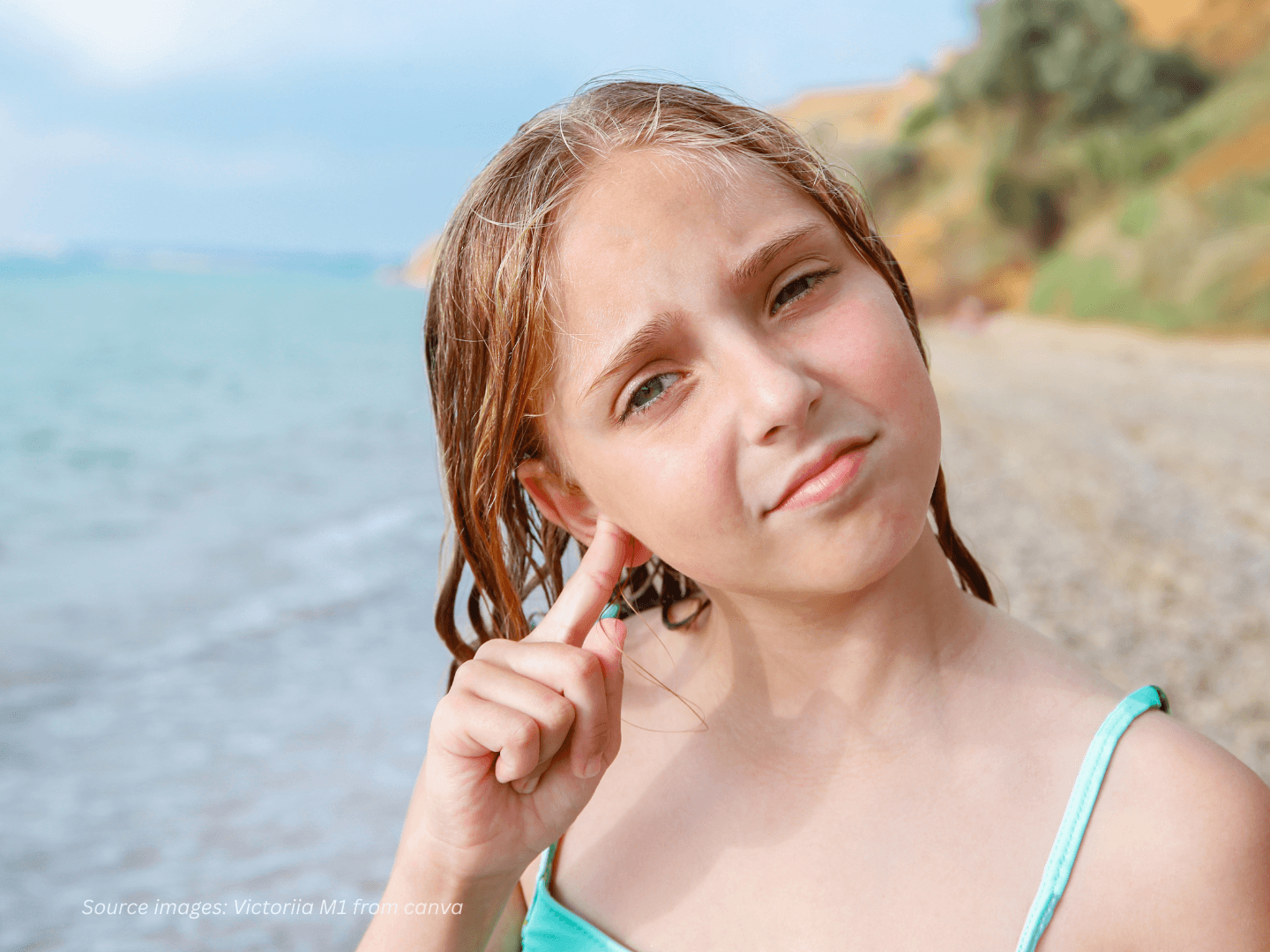
Ear Pain After Swimming: Is It Swimmer’s Ear?
Swimming in the pool or ocean is a fun part of a holiday in Bali. But if your ear starts to hurt, itch, or feel blocked after swimming, you may wonder what is causing it.
One possible cause is swimmer’s ear, an infection of the outer ear canal. However, not every earache after swimming means you have an infection.
Here’s what to know about swimmer’s ear, its common symptoms, and when to seek medical advice.
What Is Swimmer’s Ear?
Swimmer’s ear, also known as otitis externa, is an infection of the outer ear canal, the passage that connects the outside of your ear to your eardrum.
It can develop when water stays in the ear canal for too long, creating a moist environment where bacteria can grow. Irritation or small injuries inside the ear canal, including those caused by cotton buds, can also increase the risk.
Despite its name, swimmer’s ear can affect people who do not swim regularly.
According to the CDC, swimmer’s ear is different from a middle ear infection because it affects the outer ear canal.
What Are the Symptoms of Swimmer’s Ear?
Symptoms can vary, but common signs include:
-
Ear pain: The ear may feel sore or become more painful when you pull the outer ear or press the small area in front of the ear canal.
-
Itching: You may notice an itchy or irritated feeling inside your ear.
-
Redness or swelling: The ear canal may become inflamed.
-
Fluid coming from the ear: You may notice discharge from the affected ear.
-
A blocked feeling or muffled hearing: Swelling in the ear canal can sometimes affect how well you hear.
These symptoms can also occur with other ear problems, so they cannot confirm swimmer’s ear on their own. A healthcare professional can examine your ear to help determine the cause.
What Should You Do If Your Ear Hurts After Swimming?
If you experience ear pain after swimming, these simple steps may help protect your ear while you arrange appropriate care.
1. Keep your ear dry
Avoid swimming while your ear is painful or you suspect an infection. After showering, gently dry the outside of your ear with a clean towel.
2. Avoid putting anything inside your ear
Do not use cotton buds, fingers, or other objects to clean the ear canal. They can irritate the skin or cause injury.
3. Be careful with ear drops
Not all ear drops are suitable for every ear problem. Avoid using ear-drying drops or other ear drops without appropriate advice, especially if your ear hurts, fluid is coming out, or you may have a damaged eardrum.
4. Get medical advice if you have pain or discharge
The CDC recommends seeking medical advice for ear pain or drainage. If swimmer’s ear is confirmed, treatment may include prescription ear drops.
How Can You Help Prevent Swimmer’s Ear?
A few simple habits can help reduce the risk of swimmer’s ear:
-
Dry your ears gently with a towel after swimming or showering.
-
Tilt your head to each side to help water drain naturally from your ears.
-
Avoid putting cotton buds or other objects into your ear canal.
-
Consider using well-fitting swim earplugs if you swim regularly.
-
Ask a healthcare professional before using preventive ear drops, particularly if you have a history of ear problems.
Remember, earwax helps protect the ear canal, so trying to remove it completely is unnecessary and may cause irritation.
When Should You See a Doctor?
If your ear pain is severe, getting worse, or accompanied by fluid coming from the ear, it is best to seek medical advice promptly.
You should also get your ear checked if you notice new hearing changes, swelling around the ear, fever, or symptoms that are not improving. Seek urgent medical attention for sudden hearing loss or severe symptoms.
Early assessment can help identify the cause and determine whether treatment is needed.
Enjoy Swimming While Taking Care of Your Ears
Ear pain after swimming can have different causes, and swimmer’s ear is just one possibility. Keeping your ears dry, avoiding objects inside the ear canal, and paying attention to symptoms can help you look after your ears during your holiday.
If you develop persistent or worsening ear pain, do not assume it will go away on its own. A medical assessment can help clarify what is happening and guide the next steps.
Staying in Ubud or Canggu and concerned about ear pain? Contact UbudCare to arrange a consultation.
*This article is for general health information only and does not replace an individual medical assessment.