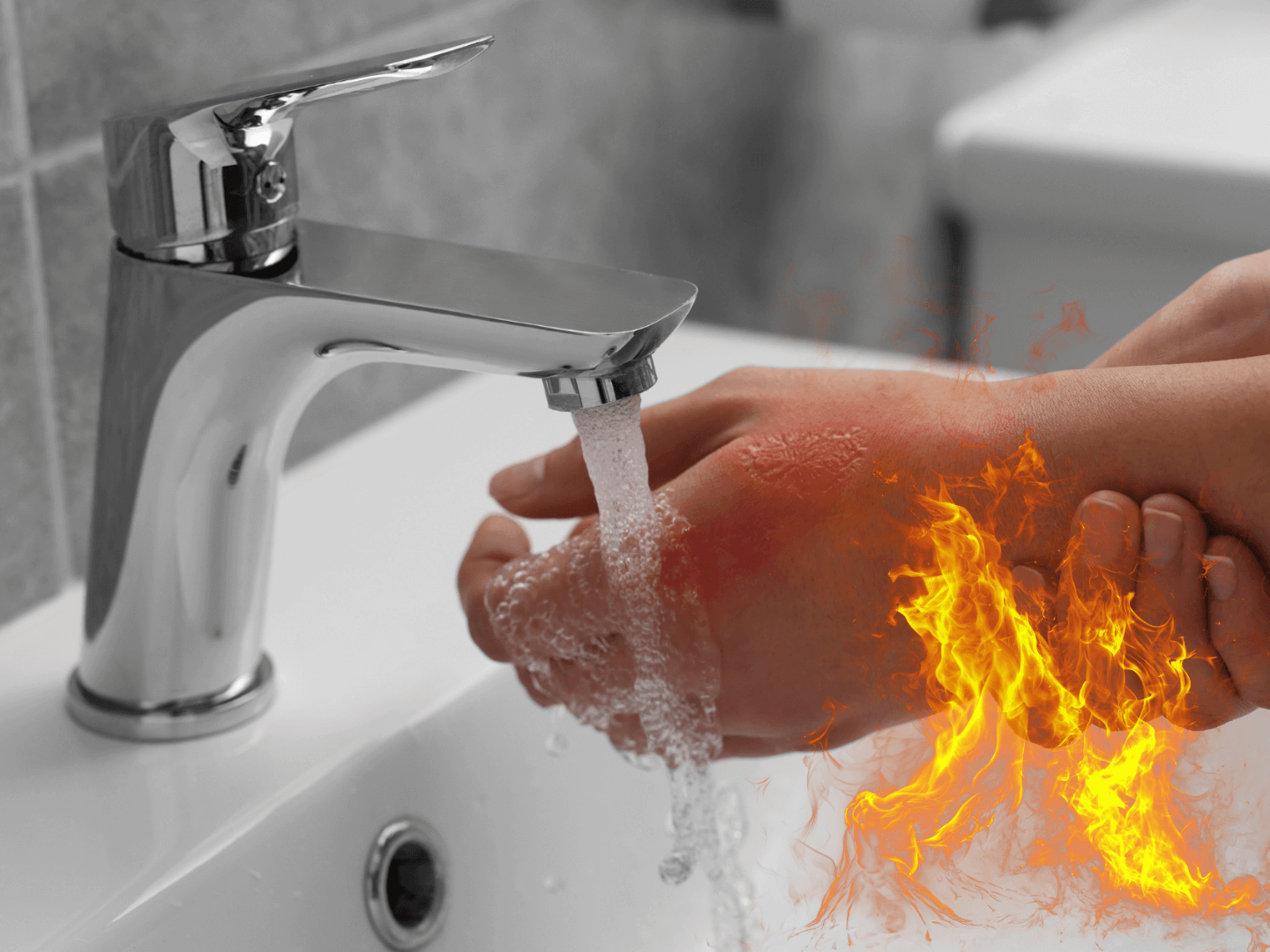
First Aid for Minor Burns: Quick Guide You Can Do at Home
Minor burns can happen in daily life — from touching a hot pan, spilling boiling water, or brushing against a motorcycle exhaust. While most small burns are not life-threatening, giving the right first aid for minor burns is important to reduce pain, prevent infection, and support healing.
First Aid for Minor Burns: Quick Guide You Can Do at Home
Step 1: Cool the Burn
Immediately place the burned skin under cool running water (not ice) for 10–20 minutes.
If running water isn’t available, use a clean, cool wet cloth.
⚠️ Avoid using ice, butter, or toothpaste — these can damage the skin and make the burn worse.
Step 2: Remove Constrictive Items
Gently remove rings, watches, or tight clothing near the burn area before swelling starts.
If clothing is stuck to the burn, do not pull it off. Instead, cut around the fabric.
Step 3: Protect the Burn
Cover the burn with a clean, non-stick, sterile bandage or gauze.
Wrap it loosely to avoid putting pressure on the burned skin.
This helps reduce pain, protects against infection, and keeps air from irritating the wound.
Step 5: Seek medical attention if you notice:
- Burns larger than 3 inches.
- Burns on the face, hands, feet, groin, or major joints.
- Signs of infection (increasing redness, swelling, pus, or fever).
- Deep burns, white/charred skin, or large blisters.
Most minor burns can be safely treated at home with quick cooling, gentle care, and proper protection. But always seek medical help if the burn is deep, widespread, or shows signs of infection.
Taking the right steps early helps your skin heal faster and lowers the chance of complications.
source:
https://stacks.cdc.gov/view/cdc/195454
https://www.mayoclinic.org/first-aid/first-aid-burns/basics/art-20056649
https://www.mayoclinichealthsystem.org/hometown-health/speaking-of-health/ouch-ive-burned-my-hand
https://newsinhealth.nih.gov/2013/12/burning-issue