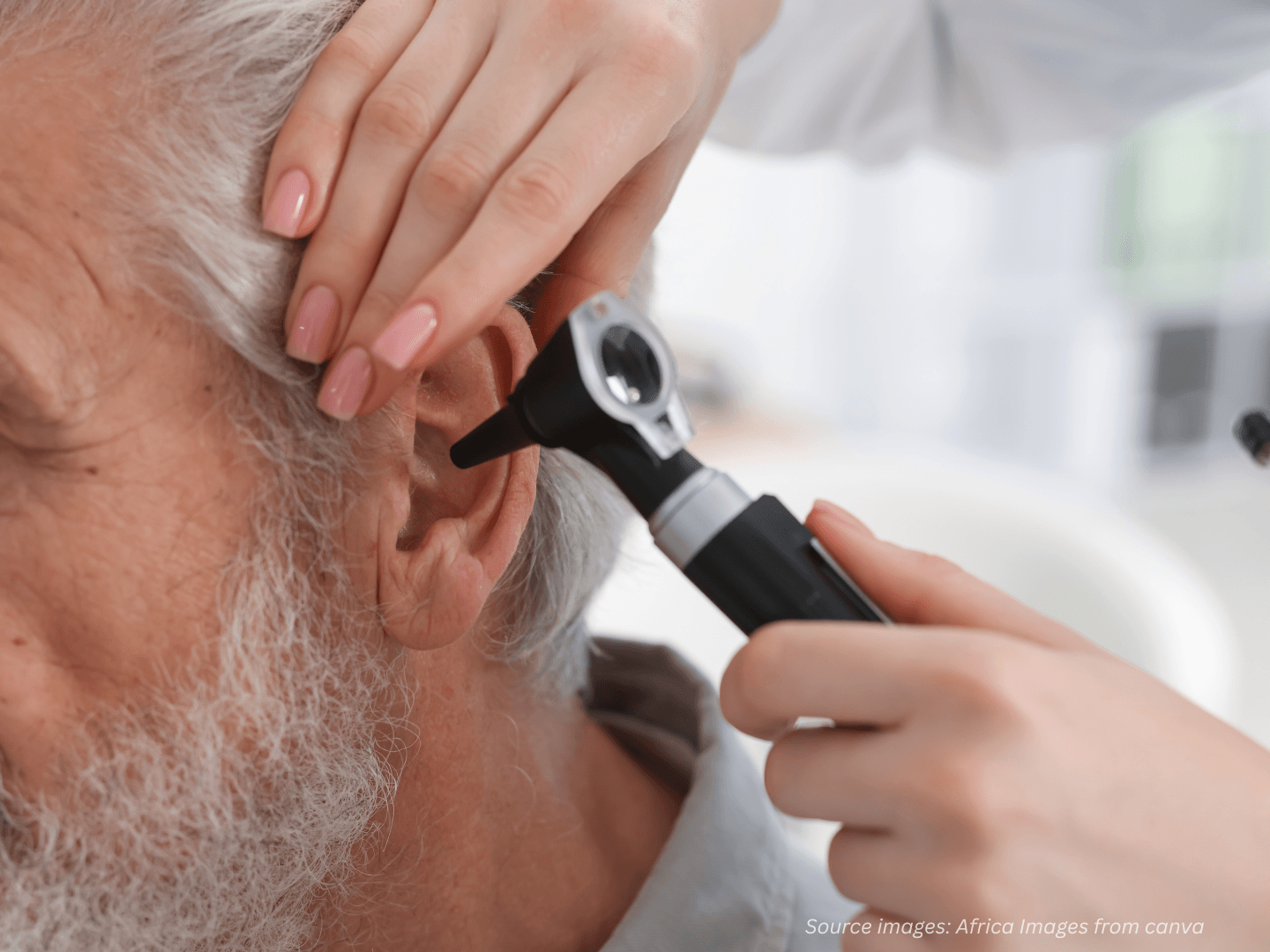
Ear Pain on Holiday: Common Causes and What to Do
Ear pain can be uncomfortable, especially when you're travelling and trying to enjoy your holiday. It may start during a flight, after swimming, or while you're dealing with a cold.
Although ear pain does not always mean you have an ear infection, it is worth paying attention to your symptoms. Understanding some common causes can help you decide what to do next and when to seek medical advice.
What Causes Ear Pain on Holiday?
Ear pain can have several causes. Here are some common reasons travellers may experience discomfort.
1. Pressure Changes During a Flight
Have you ever felt your ears become blocked or painful during take-off or landing?
Changes in air pressure can affect the middle ear, causing discomfort, a feeling of fullness, or temporarily muffled hearing. This is sometimes called airplane ear.
Swallowing, yawning, or chewing gum during take-off and landing may help equalise the pressure in your ears. If you have a cold or nasal congestion, you may be more likely to experience this discomfort. Mayo Clinic explains how airplane ear develops.
2. Ear Discomfort After Swimming
Swimming is a popular activity on holiday, but water that remains in the outer ear canal can create conditions that allow bacteria to grow.
This may lead to a condition known as swimmer's ear, or outer ear infection. Symptoms can include ear pain, itching, redness, and fluid coming from the ear. Some people notice that the pain becomes worse when the outer ear is touched or pulled.
Swimmer's ear is different from a middle ear infection. Ear pain after swimming does not automatically mean you have an infection, so it is important to pay attention to your symptoms.
To help protect your ears, dry the outer ear gently with a towel after swimming and avoid putting cotton buds or other objects inside the ear. The CDC's guide to preventing swimmer's ear provides further advice.
3. A Cold or Nasal Congestion
A cold can sometimes cause ear pressure, discomfort, or a blocked feeling.
This happens because the Eustachian tubes, which help balance pressure in the middle ear, can become swollen or blocked during a respiratory illness. Fluid may then build up behind the eardrum, and in some cases, a middle ear infection can develop.
You may also notice symptoms such as a runny or blocked nose, a cough, or a sore throat.
Because these symptoms can overlap with other conditions, ear pain alone cannot confirm the cause. A healthcare professional can examine your ear if the discomfort persists or becomes worse. Mayo Clinic explains the link between colds and middle ear infections.
What Should You Do If Your Ear Hurts?
If you experience ear pain while travelling, a few simple steps may help you manage the discomfort while you monitor your symptoms.
-
Avoid putting anything inside your ear. Cotton buds, fingers, and other objects can irritate or damage the ear canal.
-
Keep your ear dry if you suspect a problem after swimming. Avoid swimming again until the discomfort has settled or you have received medical advice.
-
Try swallowing or yawning if the discomfort starts during a flight. These actions may help relieve pressure-related ear discomfort.
-
Pay attention to other symptoms. Notice whether you also have a fever, fluid coming from your ear, worsening pain, dizziness, or changes in hearing.
Avoid using ear drops without appropriate advice, particularly if fluid is coming from your ear or you may have an eardrum injury. The right treatment depends on the cause of the pain.
When Should You See a Doctor for Ear Pain?
It is worth getting your ear checked if the pain is severe, getting worse, or affecting your hearing.
Seek prompt medical advice if you notice:
-
Fluid, pus, or blood coming from your ear.
-
New or worsening hearing loss.
-
Swelling around the ear.
-
A high fever or feeling generally unwell.
-
Severe dizziness or other concerning symptoms.
You should also seek medical advice if the pain does not improve. Sudden hearing loss or severe symptoms should not be left to see whether they improve on their own.
Enjoy Your Holiday While Looking After Your Ears
Ear pain during a holiday can have different causes, from pressure changes during a flight to irritation after swimming or problems associated with a cold.
Simple measures may help with mild discomfort, but it is important not to assume that every earache has the same cause. Avoid putting objects inside your ear, monitor your symptoms, and seek medical advice if the pain persists, becomes worse, or affects your hearing.
If you're staying in Ubud or Canggu and are concerned about ear pain, the UbudCare medical team can help assess your symptoms and advise you on the next steps.
Need medical advice during your stay in Bali? Contact UbudCare to arrange a consultation.
*This article is for general health information and is not a substitute for an individual medical assessment.