What It Really Means to Be Well in Modern Life
This article is inspired by a discussion originally published by Usada Bali. Read the original article here: https://usadabali.com/what-does-it-mean-to-be-well/
What Does It Mean to Be Well in a Busy Modern World? | Insights from Dr. Krisna
In many ways, modern life has never been more convenient. We can communicate instantly, access information within seconds, and complete tasks faster than ever before. Yet despite these advantages, many people feel increasingly overwhelmed, mentally exhausted, or disconnected from a genuine sense of wellbeing.
It is common to see individuals who appear successful and capable on the outside, while privately struggling with stress, fatigue, or a feeling that something is missing. This raises an important question: what does it truly mean to be well?
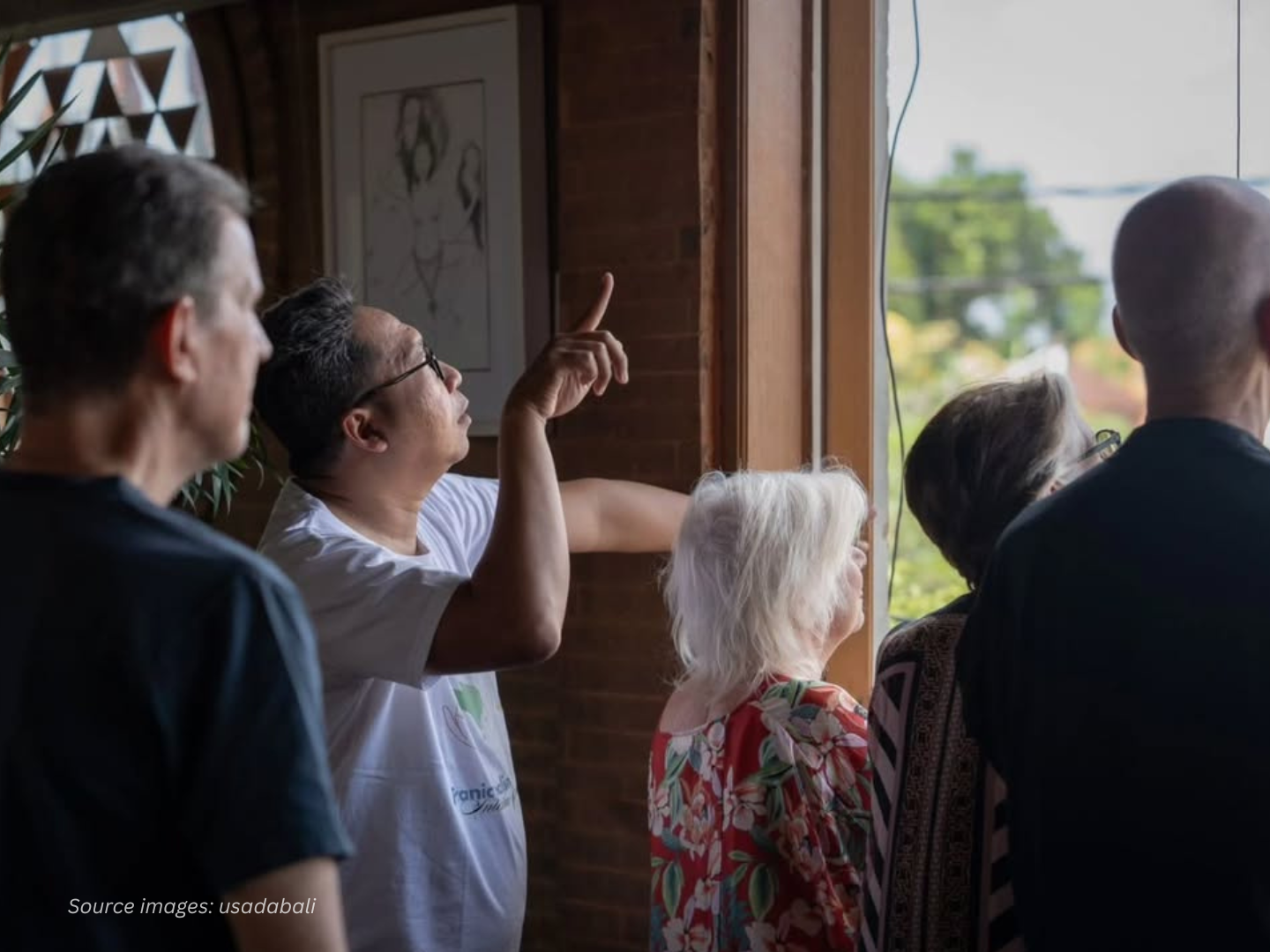
This topic was discussed in a conversation led by Dr. Krisna at Usada Bali, exploring how modern life influences both physical and emotional wellbeing, and why maintaining balance has become increasingly challenging.
Living in a State of Constant Stimulation
One of the key ideas discussed is how rarely people experience true rest in modern life.
Human beings evolved in environments that naturally alternated between activity and recovery. Today, however, we constantly move from one form of stimulation to another.
Notifications, social media, emails, and work demands compete for attention throughout the day, leaving little space to truly disconnect.
Over time, this constant stimulation becomes normal, and many people no longer recognize how mentally active they actually are
Dr. Krisna reminded that the body and mind are deeply connected. Emotional stress does not remain isolated—it can influence physical wellbeing in ways that are not always immediately visible.
Success Does Not Always Create Fulfilment
Another important reflection was the gap between achievement and fulfilment.
Many people work hard to build careers, support families, and reach personal goals. While these achievements bring stability, they do not always create inner contentment.
Even those who appear successful may still experience anxiety, exhaustion, loneliness, or a sense of emptiness. This shows that wellbeing is not defined by achievement alone, but also by meaning, connection, and inner balance.
Understanding Stress Differently
Stress is often seen as negative, but it is actually a natural response that helps us adapt and perform.
The challenge arises when stress becomes constant rather than temporary. Without enough recovery, it can affect sleep, focus, emotions, and relationships. Over time, this may feel normal, making it harder to recognize its impact.
The Importance of Awareness
Rather than focusing on quick solutions, the discussion emphasized awareness.
Before change can happen, we need to recognize what is happening within ourselves. How do we respond under stress? What habits support us, and what drains us? Which environments help us feel balanced?
Although simple, these reflections often reveal patterns we overlook in daily life. Awareness is what allows meaningful change to begin.
Small Practices Create Lasting Change
Lasting wellbeing is built through small, consistent actions rather than big changes.
Sleep, nutrition, movement, time outdoors, relationships, and rest all play an important role in maintaining health and resilience.
As Dr. Krisna noted, healthcare professionals may only spend a short time with a patient—the rest of the day belongs to the individual. Sustainable wellbeing depends on daily choices, not only professional guidance.
Final Thoughts
Being well is more than the absence of illness. It is the balance between physical health, mental clarity, emotional stability, and daily habits.
While modern life brings many challenges, it also offers opportunities to live more intentionally. Through awareness, simple habits, and consistent self-care, we can build a stronger foundation for long-term wellbeing.
As highlighted in Dr. Krisna’s discussion, wellbeing is not automatic—it is something we cultivate through the choices we make every day.