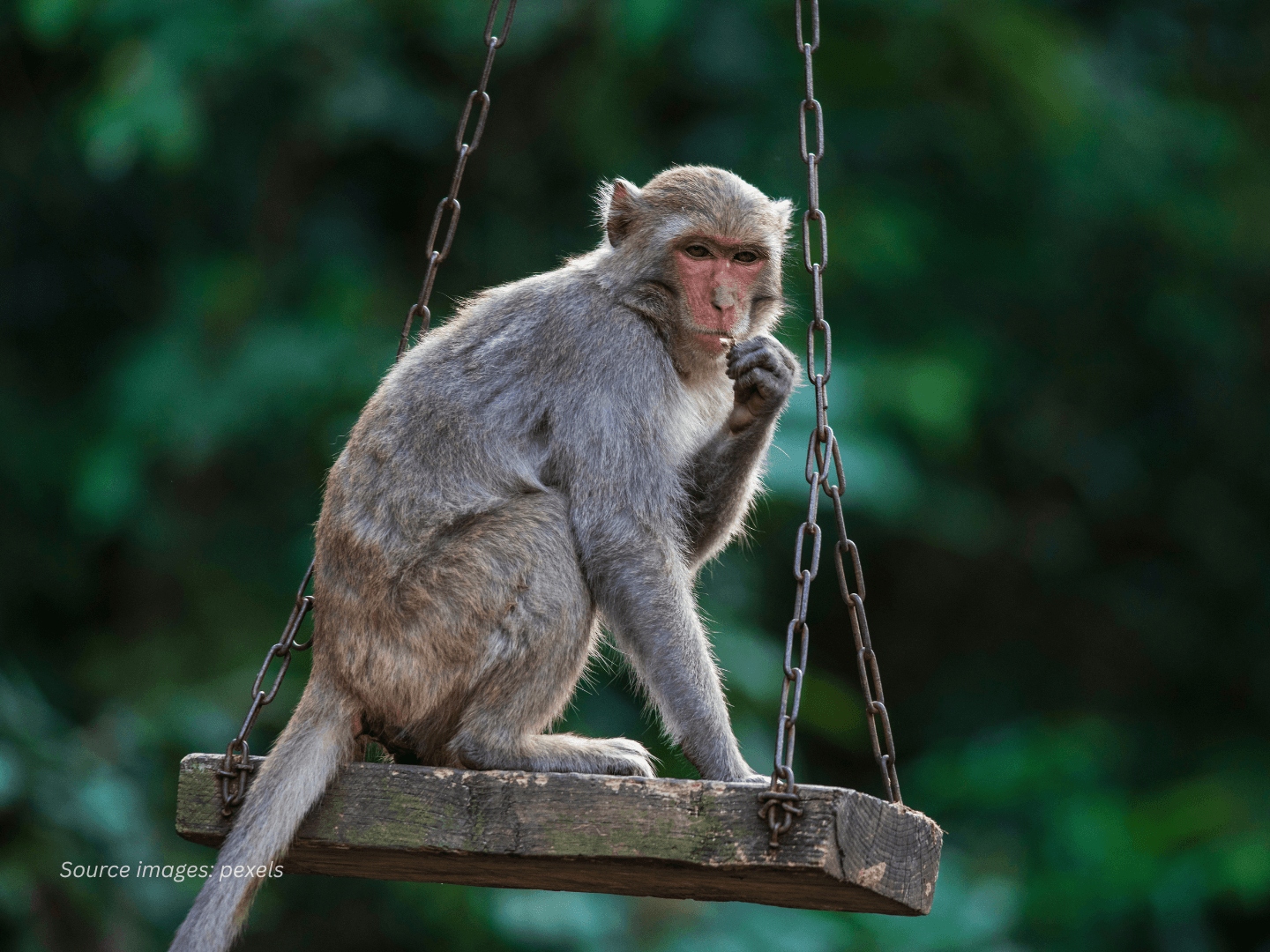
Monkey Scratch or Animal Bite in Bali? First Aid, Rabies Risk & Vaccine Guide
Exploring Bali often means encountering friendly dogs, playful cats, and curious monkeys. While most interactions are harmless, an animal bite or scratch should never be ignored.
Even a small bite or scratch can carry a risk of infection, including rabies, if the animal is infected. The good news is that rabies is preventable with prompt medical care after exposure. Acting quickly can make all the difference.
What Is Rabies?
Rabies is a viral infection that affects the brain and nervous system. It spreads through the saliva of infected animals, usually after a bite, scratch, or saliva coming into contact with broken skin or the eyes, nose, or mouth.
According to the World Health Organization (WHO), rabies is almost always fatal once symptoms appear. However, timely wound care and appropriate post-exposure treatment are highly effective at preventing the disease.
Which Animals Can Transmit Rabies?
Rabies can be transmitted by infected mammals. In Bali, the most common concerns include:
- Dogs
- Cats
- Monkeys
- Bats
Other wild mammals in different parts of the world may also carry rabies
What Should You Do After an Animal Bite or Scratch?
If you are bitten or scratched by an animal, take these steps as soon as possible.
1. Wash the Wound Immediately
Wash the wound thoroughly with soap and running water for at least 15 minutes.
This is one of the most important first-aid steps and can significantly reduce the amount of virus present in the wound.
2. Apply an Antiseptic (If Available)
After washing the wound, apply an antiseptic such as povidone-iodine or another suitable antiseptic if available.
3. Seek Medical Care as Soon as Possible
Do not wait for symptoms to appear.
A healthcare professional should assess the injury and determine whether additional treatment is necessary.
Does Every Bite or Scratch Need a Rabies Vaccine?
Not necessarily.
The need for rabies post-exposure prophylaxis (PEP) depends on several factors, including:
- The type of animal involved
- Whether the animal appears healthy or can be observed
- The type and severity of the wound
- Where the exposure occurred
- Your previous rabies vaccination history
A healthcare professional will evaluate your situation and recommend the most appropriate treatment based on current medical guidelines.
What Treatment May Be Recommended?
Depending on your risk assessment, treatment may include:
- Thorough wound cleaning
- Rabies vaccination
- Human Rabies Immune Globulin (HRIG), when indicated
- Additional wound care and follow-up
According to the Centers for Disease Control and Prevention (CDC), rabies post-exposure prophylaxis is highly effective at preventing rabies when administered promptly after exposure.
Looking for Rabies Vaccination and Animal Bite Treatment in Ubud?
If you've been bitten or scratched by a dog, cat, monkey, or another animal while visiting Bali, it's important to seek medical advice as soon as possible.
At UbudCare Clinic 24 Hours, our English-speaking medical team can assess your injury, provide appropriate wound care, and determine whether rabies post-exposure treatment is recommended based on current medical guidelines.
Early treatment is essential because rabies can be prevented before symptoms develop.
Frequently Asked Questions
Can a small scratch cause rabies?
Although the risk varies depending on the exposure, even a small scratch that breaks the skin should be assessed by a healthcare professional.
Should I see a doctor after a monkey scratch in Bali?
Yes. Monkey scratches should be cleaned immediately, and medical assessment is recommended to determine whether additional treatment, including rabies post-exposure prophylaxis, is needed.
How soon should I seek treatment?
As soon as possible after the bite or scratch. Early medical evaluation gives the best opportunity to prevent rabies if treatment is indicated.
Is rabies vaccination effective after an animal bite?
Yes. According to the CDC, rabies post-exposure prophylaxis is highly effective when started promptly after a potential rabies exposure.
source:
https://www.cdc.gov/rabies/about/index.html
https://www.who.int/campaigns/world-rabies-day
https://www.who.int/news-room/fact-sheets/detail/rabies